MDR
MDR provides 24/7 threat detection and response to protect your organization from cyberattacks.
Cyber Defense
Cyber Defense service provides in-depth technical assessments and detailed technical advice to help organizations and businesses optimize their network defense systems, enhance and improve their network defense capabilities.


Cloud security posture management
CSPM is a security solution designed to identify and mitigate risks in cloud environments. It continuously monitors cloud configurations to ensure they align with security best practices and compliance standards, detecting misconfigurations that could lead to data breaches or vulnerabilities. By automating threat detection and providing real-time insights, CSPM helps organizations maintain a secure, compliant cloud infrastructure.
Security Architecture Assessment
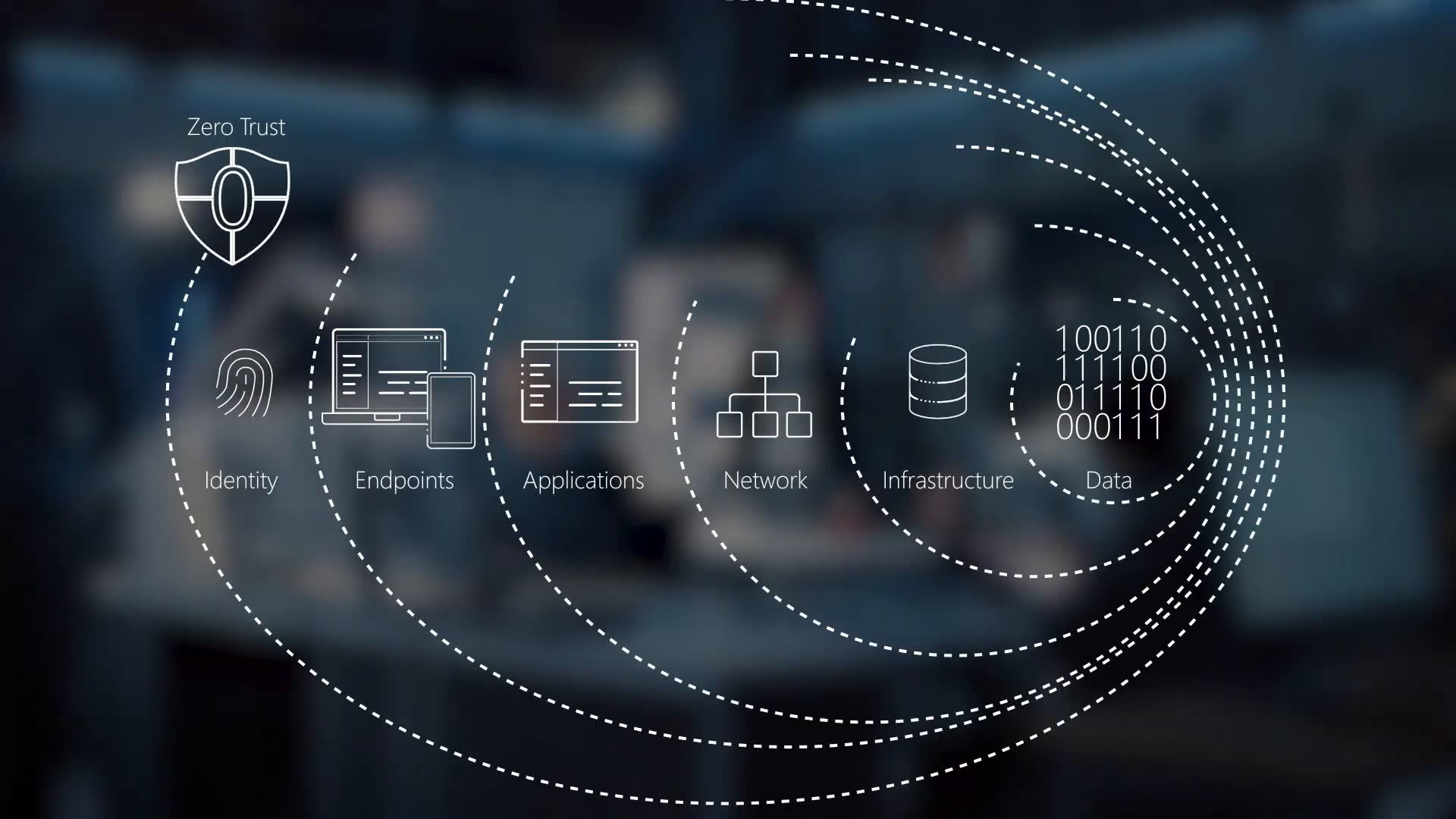
A Security Architecture Assessment focused on Zero Trust evaluates an organization’s security framework to ensure it adheres to the Zero Trust model, which assumes no implicit trust, even within the network. This assessment identifies potential gaps in access controls, identity management, data protection, and network segmentation, aiming to validate that security policies enforce strict verification at every level. By doing so, it strengthens defenses against lateral movement, insider threats, and external attacks, ultimately enhancing an organization’s resilience in a zero-trust-aligned security architecture.
Systems and Network Auditor
A Systems and Network Auditor is responsible for assessing an organization’s IT infrastructure to ensure it meets security, compliance, and performance standards. This role involves examining network configurations, system access controls, data integrity, and operational processes to identify vulnerabilities or inefficiencies. By conducting regular audits, the auditor provides insights and recommendations to enhance the organization’s overall security posture, safeguard sensitive information, and ensure alignment with regulatory requirements.